Auto-Investing Apps Explained: Your 2026 Guide to Smart Money System
Auto-Investing Apps Explained: Your 2026 Guide to Smart Money System
Auto-investing apps explained is what most Indians are searching for in 2025 because managing investments manually has become outdated. I have spent years testing various automated investing platforms and I can tell you that the landscape has completely transformed.
These apps now use artificial intelligence to make smarter decisions than most humans can make on their own.
The beauty of automation is that it removes emotional decisions from your investment journey. You simply set your goals and let technology handle the heavy lifting while you focus on earning more money.
Gone are the days when investing required hours of research and constant monitoring. Today I am using apps that automatically invest my spare change from daily purchases. My portfolio gets rebalanced without me lifting a finger. Tax optimization happens in the background.
This is not science fiction anymore but reality in 2025. Whether you are a complete beginner or someone tired of watching market charts all day, automated investing has something valuable to offer. The question is not whether you should use these apps but which one fits your financial goals best.
Also Read: Best Apps For Finance People: My Personal Picks for Money Management
Key Takeaways
- Auto-investing apps use AI and algorithms to manage portfolios automatically without constant human intervention
- Popular options include robo-advisors like Wealthfront and Betterment, plus micro-investing apps like Acorns
- Fees typically range from 0% to 0.35% annually, significantly cheaper than traditional financial advisors
- Most apps now offer features like tax-loss harvesting, automatic rebalancing, and goal-based planning
- Automation helps build financial discipline by removing emotional decision-making from investing
- Many platforms have zero or low account minimums, making investing accessible to everyone
- Hybrid models combining automation with some user control are gaining popularity in 2025
What Are Auto-Investing Apps and How Do They Work
Auto-investing apps are digital platforms that manage your investment portfolio using pre-programmed rules and algorithms.
I started with these apps three years ago when I realized I was making too many emotional trading decisions. The way these apps work is surprisingly simple. You answer a few questions about your risk tolerance and financial goals.
The app then creates a diversified portfolio tailored to your situation. From that point forward everything runs on autopilot.
The magic happens behind the scenes through continuous monitoring and rebalancing. When one asset class grows too large in your portfolio the app automatically sells some of it and buys more of underperforming assets.
This maintains your target allocation without you doing anything. Many apps also implement tax-loss harvesting which means they sell losing investments to offset gains and reduce your tax bill. I have saved thousands in taxes just by using this feature alone.
What really impressed me about modern auto-investing apps is their use of artificial intelligence. In 2025 apps like RockFlow and Plum use AI to analyze market conditions and adjust strategies dynamically. They can predict when to be more defensive or aggressive based on economic indicators.
This level of sophistication was only available to wealthy investors a few years ago. Now anyone with a smartphone can access it for minimal fees.
Popular Auto-Investing Apps You Should Know About
The market is flooded with options but some apps stand out from the crowd. I have personally tested most of these platforms and can share what makes each one special for different types of investors.
1. Wealthfront – Best for Tax Efficiency
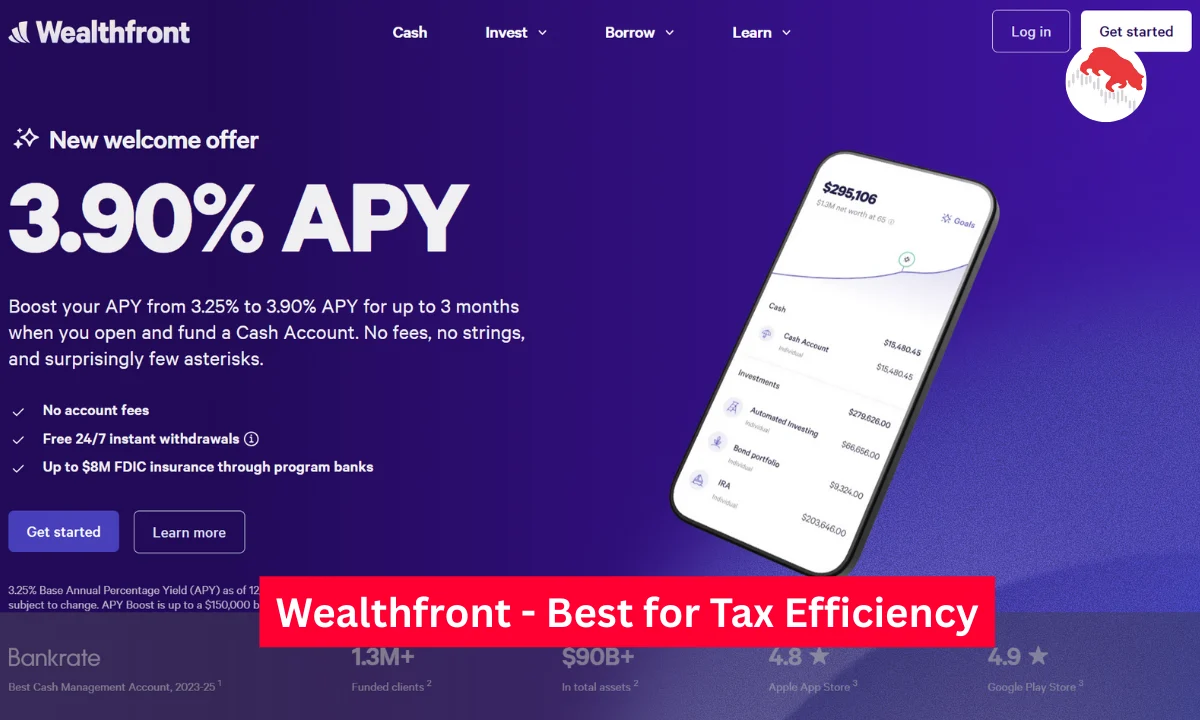
Wealthfront remains my top choice when tax optimization matters most. The platform offers automated tax-loss harvesting with absolutely no minimum balance requirement which is rare in this space. I use Wealthfront for my taxable investment accounts because it aggressively hunts for tax-saving opportunities every single day.
The platform charges only 0.25% annually which is incredibly reasonable for the sophisticated tax strategies it provides. What impressed me most is how the tax savings often exceed the management fee.
I have recommended Wealthfront to dozens of friends and family members who want hands-off investing with strong tax benefits. The platform also offers fractional shares and automatic rebalancing that keeps your portfolio aligned with your target allocation.
2. Betterment – Best for Goal-Based Investing
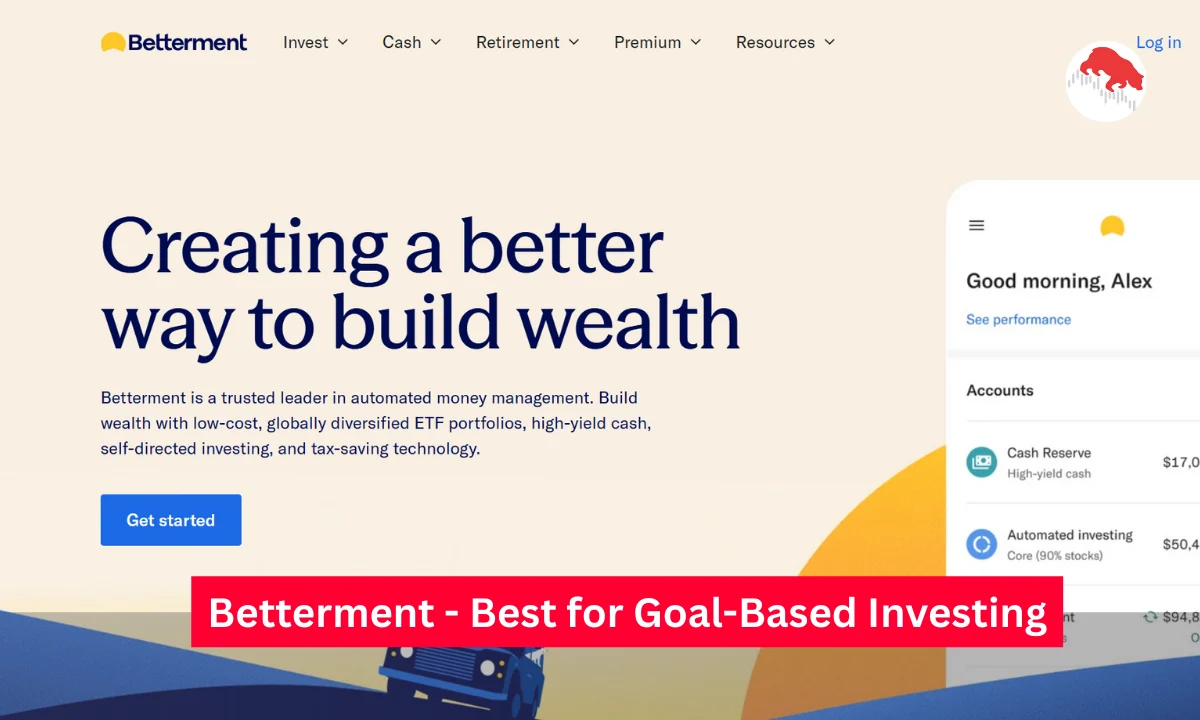
Betterment takes a goal-oriented approach that I find very helpful for people who think in terms of life milestones. Instead of just building a generic portfolio it helps you define specific goals like buying a house saving for college or retirement planning.
Each goal gets its own customized investment strategy and timeline based on when you need the money. I particularly like how Betterment adjusts the risk level automatically as you approach your goal date. The platform charges 0.25% annually for its digital plan.
What makes Betterment special is how it handles goal tracking and provides personalized advice along the way. You can see exactly how you are progressing toward each goal and get recommendations when you fall behind or when you can afford to save more.
3. Acorns – Best for Micro-Investing with Spare Change
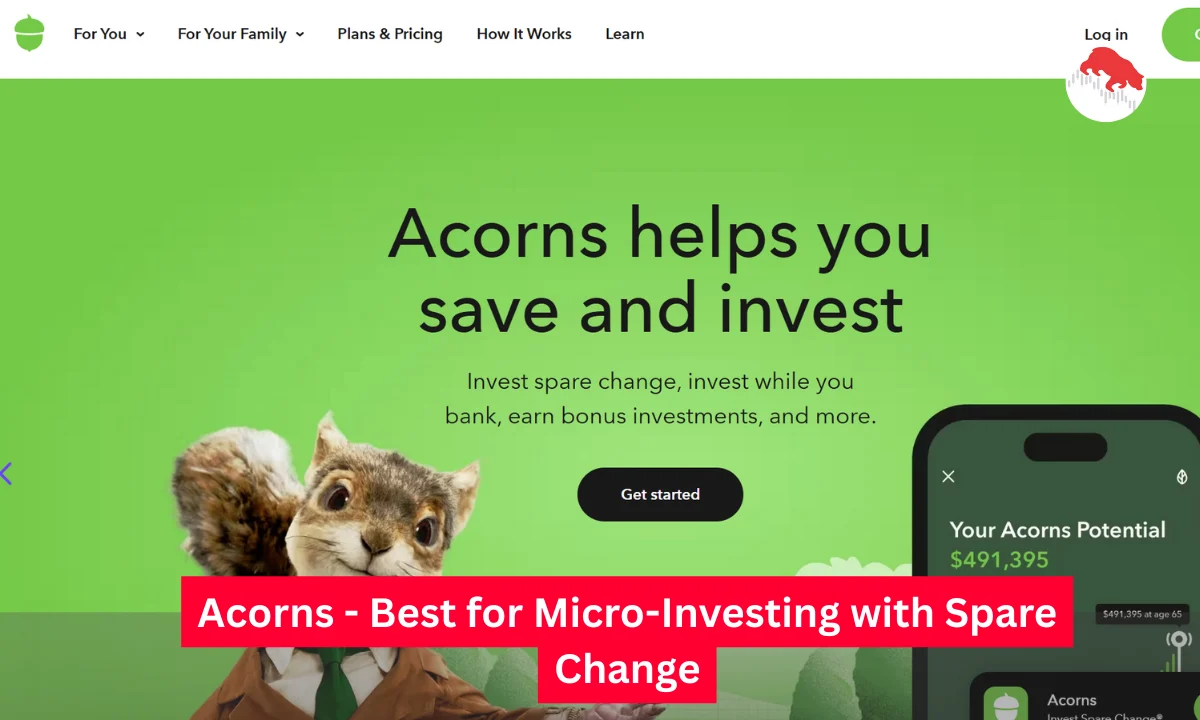
For someone who wants to start investing without feeling the pinch Acorns is unbeatable. The app rounds up your purchases to the nearest dollar and invests the difference automatically.
I love this approach because it makes investing completely painless. You never notice the small amounts leaving your account but over time they add up significantly. My friend started with Acorns three years ago and now has over $8000 invested purely from roundups and small recurring deposits.
Acorns charges between $3 to $12 monthly depending on which plan you choose. The round-up feature combined with bonus investments from partner retailers creates a powerful passive investing system. The app also includes retirement accounts and banking features in higher tier plans making it a complete financial ecosystem for beginners.
4. M1 Finance – Best for Customizable Automation
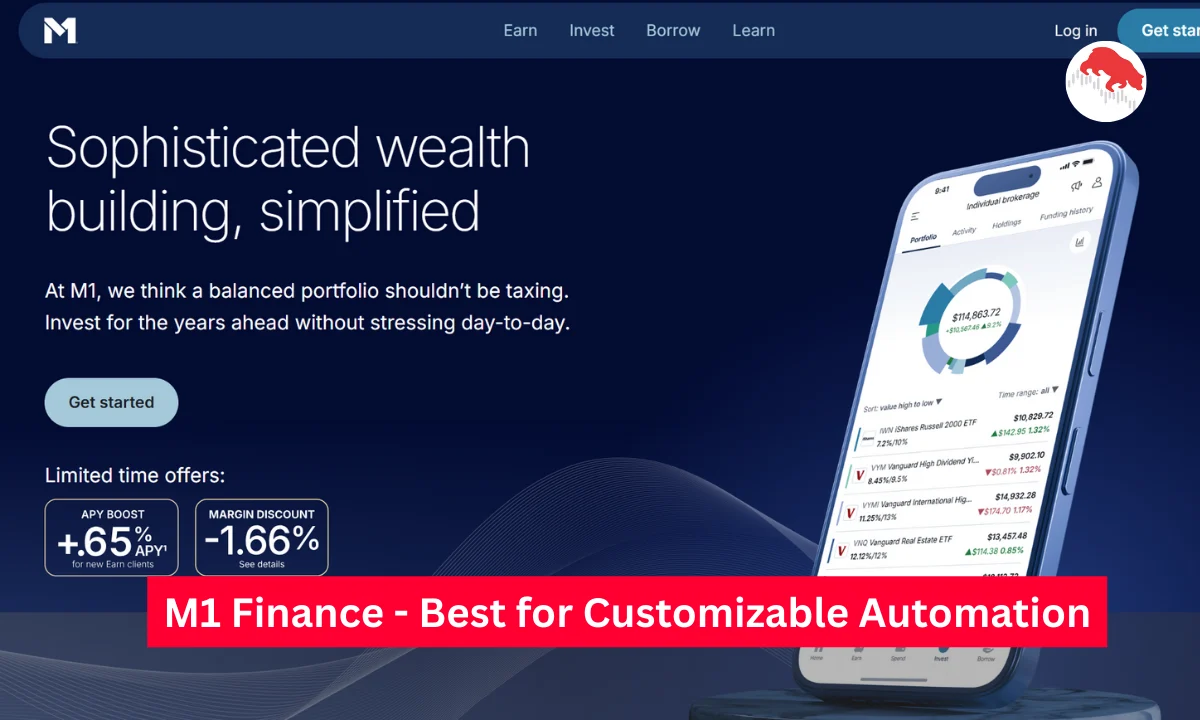
M1 Finance offers something unique with its pie system that lets you create custom portfolios while still enjoying full automation. I use M1 Finance for my more hands-on investments where I want some control over asset selection but still want automatic rebalancing.
The platform charges zero management fees which is amazing considering the features you get. You can build complex multi-layered portfolios with up to 100 different slices in your pie. M1 Finance handles all the maintenance work automatically including dynamic rebalancing and intelligent trade execution.
The platform also offers margin loans and cash management features. I appreciate how M1 Finance gives me the control I want without the constant monitoring traditional self-directed investing requires.
5. Fidelity Go – Best for Zero-Fee Beginners
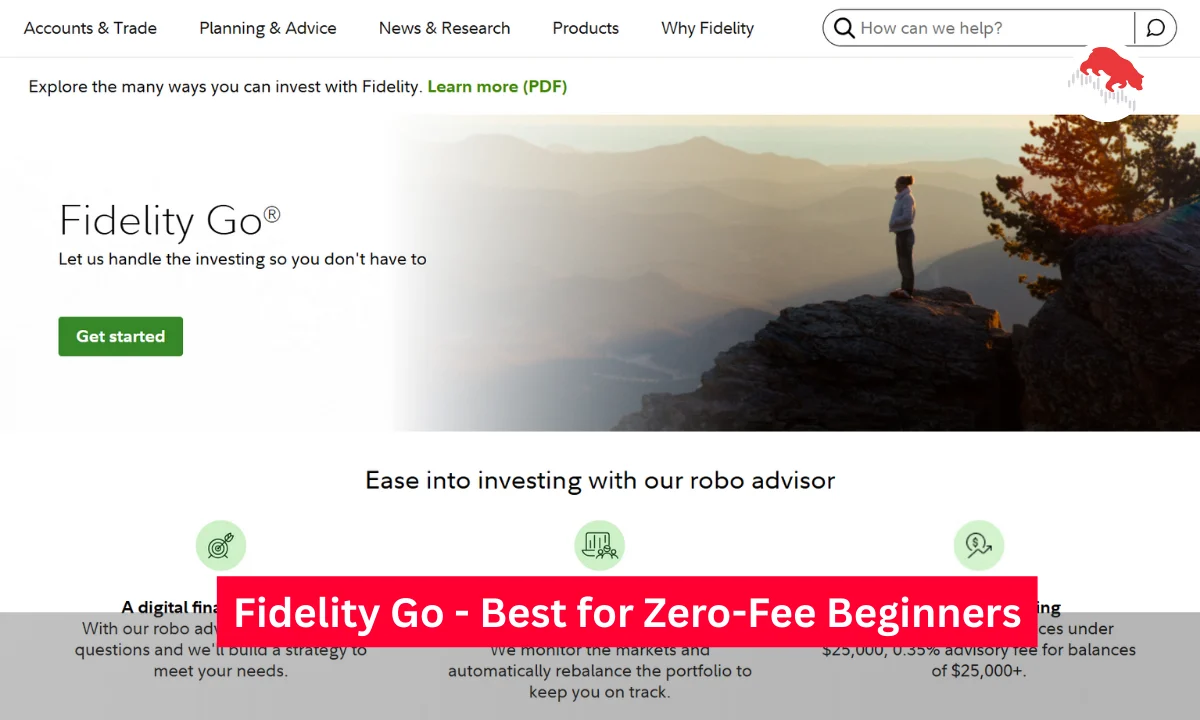
Fidelity Go deserves special mention because it is completely free for balances under $25000. This makes it perfect for beginners who are just starting their investment journey and want to minimize costs. The platform uses Fidelity’s own zero-fee index funds which means you pay absolutely nothing in management or fund fees.
I recommended Fidelity Go to my younger cousin who was nervous about investing and she has been thrilled with how simple it is.
The account setup takes less than 10 minutes and the portfolio is professionally managed with automatic rebalancing. Once your balance exceeds $25000 the fee is only 0.35% which is still very competitive. Fidelity also provides excellent customer service and educational resources to help new investors learn as they grow their wealth.
6. Schwab Intelligent Portfolios – Best for No Management Fees
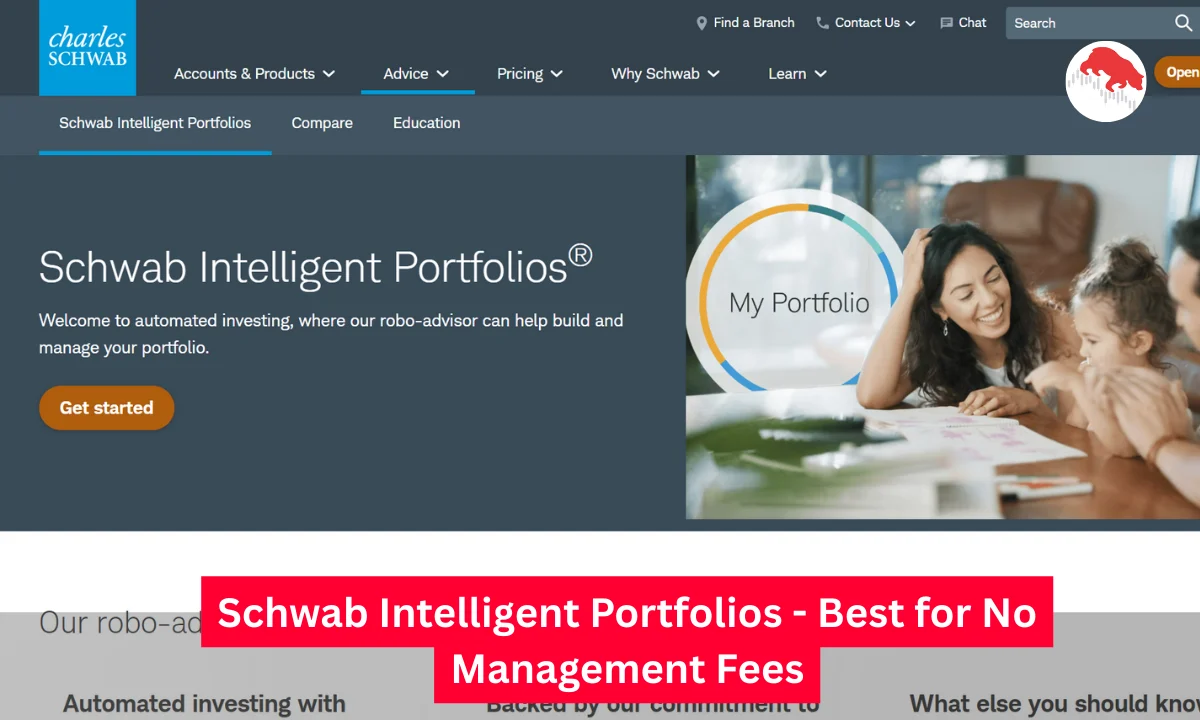
Schwab Intelligent Portfolios stands out because it charges zero management fees regardless of your account size. The platform builds diversified portfolios using low-cost ETFs and handles all the rebalancing automatically. I like Schwab for investors who want a hands-off approach without paying percentage-based fees.
The only requirement is a $5000 minimum to get started which is higher than some competitors. Schwab uses its own research and algorithms to construct portfolios across multiple asset classes. The platform also includes automatic tax-loss harvesting for taxable accounts which adds significant value. What makes Schwab particularly appealing is the backing of a well-established financial institution with excellent security and customer support.
7. SoFi Invest – Best for All-in-One Financial Services
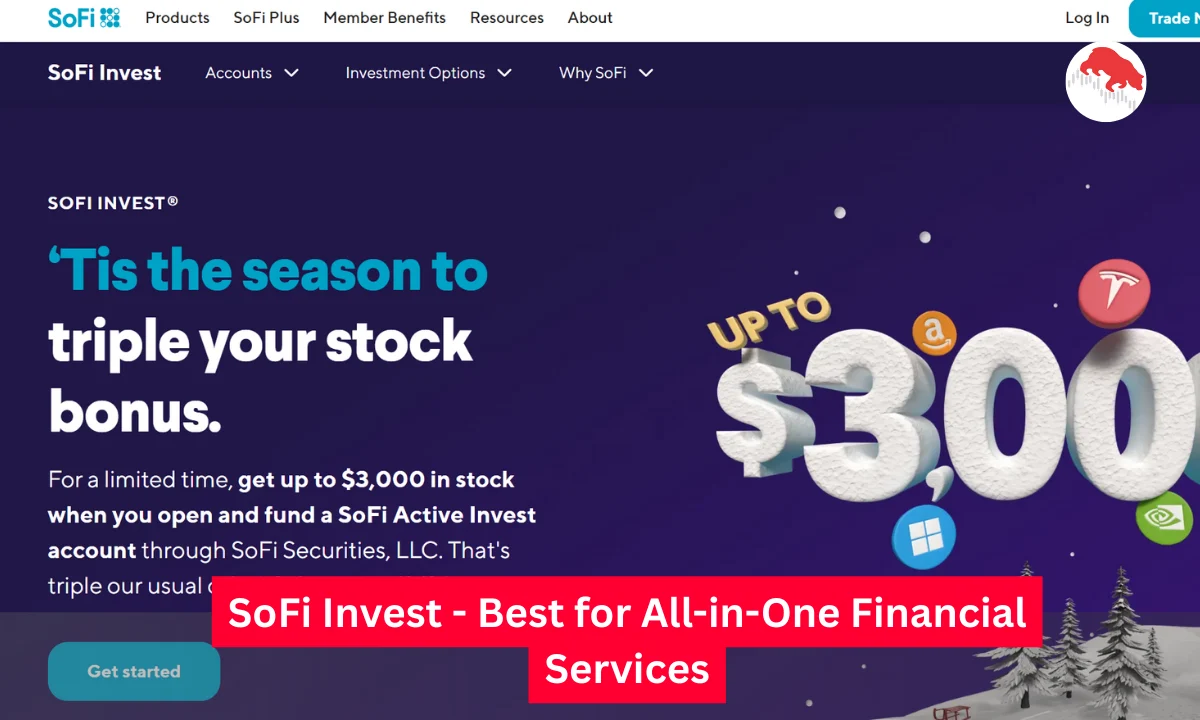
SoFi Invest provides both automated and active investing options in one platform. I appreciate how SoFi combines robo-advisory services with the ability to buy individual stocks when you want more control. The automated portfolios charge no management fees which is fantastic for cost-conscious investors.
SoFi also offers career coaching financial planning and member benefits like rate discounts on loans. This makes it ideal for younger investors who want their investing platform to grow with them as their financial needs evolve. The user interface is modern and intuitive making it easy to track your investments and financial goals in one place.
Robo-Advisors vs Self-Investing: Which Path Should You Choose
The debate between robo-advisors and self-investing comes down to your personality and available time. I have tried both approaches and each has clear advantages. Robo-advisors excel at removing emotional biases from investing.
When markets crash I used to panic and sell at the worst possible time. With robo-advisors the algorithm just keeps executing the strategy regardless of fear or greed. This disciplined approach has saved me from costly mistakes multiple times.
Self-investing gives you complete control which appeals to people who enjoy researching stocks and making their own decisions. I allocate a small portion of my portfolio for self-directed trades because I find it fun and educational.
However the bulk of my money sits in automated accounts because I recognize my limitations. Most people overestimate their investing skills and underestimate how emotions affect their choices. Studies consistently show that automated systems outperform most individual investors over long periods.
The cost difference matters too. Traditional financial advisors charge 1% or more annually while robo-advisors typically charge 0.25% or even less. Over decades this fee difference compounds into substantial savings.
Some platforms like Schwab Intelligent Portfolios charge no management fee at all. The only costs are the underlying fund expenses which apply whether you invest yourself or use a robo-advisor.
Robo-advisors also provide sophisticated features like tax-loss harvesting that require constant monitoring if done manually. I tried doing tax-loss harvesting myself and quickly realized how time-consuming it was. The robo-advisor does it automatically every single day looking for opportunities to reduce my tax bill. This alone justifies the small management fee for most investors.
Rule-Based Investing Through Apps Makes Consistency Easy
Rule-based investing removes guesswork from the equation. I love how M1 Finance lets you set specific allocation rules for your portfolio. You decide exactly how much of each asset you want and the platform automatically maintains those percentages. Every new deposit gets divided according to your rules. When you rebalance the app sells high and buys low following your predefined allocations without emotional interference.
The consistency that comes from rule-based investing cannot be overstated. I used to check my portfolio daily and make random changes based on news headlines or gut feelings. Since switching to rule-based automation my returns have improved significantly.
The app follows the strategy without deviation. It does not get scared during market drops or greedy during rallies. This mechanical approach turns out to be far superior to human decision-making for most people.
Many apps now offer AI-powered rule systems that adapt to changing conditions. RockFlow uses artificial intelligence to adjust allocation rules dynamically based on market data. The system can detect when certain sectors are overheated and automatically reduce exposure.
This combines the consistency of rules with the flexibility of adaptive intelligence. I am testing this approach with a portion of my portfolio and the results look promising so far.
Can Automation Actually Improve Your Financial Discipline
The answer is absolutely yes and I have proof from my own experience. Before using auto-investing apps I would skip months without investing when I felt uncertain about markets. I would also make impulsive purchases instead of saving consistently.
Setting up automatic recurring deposits changed everything. Now money flows into my investment accounts before I can spend it on unnecessary things. The automation forces good behavior even when my willpower is weak.
Behavioral economics shows that humans are terrible at maintaining discipline without external systems. We give in to temptation easily and rationalize poor decisions. Auto-investing apps remove these opportunities for failure.
Once you set up automatic deposits and let the algorithm manage investments you essentially cannot mess things up. The system does not care about your mood or the latest financial panic in the news. It just keeps investing according to plan.
I have noticed another benefit of automation which is reduced anxiety about investing. When I managed everything manually I constantly worried about whether I was making the right moves. Should I buy now or wait. Should I sell before the market drops further.
These questions created stress and often led to poor decisions. With automation I trust the process and stop second-guessing everything. My mental health improved along with my investment returns.
The disposition effect which causes people to sell winners too early and hold losers too long disappears with automation. The algorithm does not have feelings about specific investments. It rebalances based on logic not emotional attachment.
This objective approach consistently beats the average investor who lets psychology interfere with sound strategy. If you struggle with investment discipline like I used to then automation provides the structure you need to succeed.
AI Integration Makes Auto-Investing Smarter in 2025
Artificial intelligence has taken auto-investing to a completely new level this year. Apps like Plum use AI to analyze your spending patterns and automatically invest amounts you will not miss. The system learns your financial behavior over time and adjusts investment amounts accordingly. I was skeptical at first but after using it for six months I am impressed by how accurately it predicts my available cash flow.
Predictive analytics now help robo-advisors anticipate market shifts before they happen. The AI systems analyze thousands of economic indicators to detect early warning signs of turbulence. This allows them to adjust portfolio allocations proactively rather than reactively.
While no system can predict markets perfectly the AI-enhanced apps do seem to navigate volatility better than basic algorithms. I have noticed my AI-powered accounts experiencing smaller drawdowns during market corrections compared to traditional index approaches.
Dynamic rebalancing powered by AI is another game-changer. Instead of rebalancing on a fixed schedule like quarterly or annually the AI decides when rebalancing is most beneficial. It considers transaction costs tax implications and market conditions to optimize the timing. This intelligent approach reduces unnecessary trading while ensuring portfolios stay aligned with target allocations. The tax savings and reduced transaction costs add up over time to meaningful performance improvements.
Cost Comparison and What You Actually Pay
Understanding fees is crucial because they directly impact your long-term returns. Most robo-advisors charge between 0.15% and 0.35% annually for management services. This might seem small but over 30 years on a large portfolio it adds up.
I always calculate the dollar amount rather than percentage to understand the real cost. On a 500000 portfolio a 0.25% fee equals 1250 per year which is still far less than traditional advisors charging 1% or 5000 annually.
Some platforms use subscription models instead of percentage-based fees. Acorns charges 3 to 12 dollars monthly regardless of account size. For small portfolios this can be expensive compared to percentage-based fees.
Once your balance exceeds certain thresholds the flat fee becomes cheaper. I recommend doing the math based on your expected investment amount to choose the most economical option.
Several robo-advisors offer free tiers with limitations. Fidelity Go manages accounts under 25000 completely free. Schwab Intelligent Portfolios charges no management fee though there are underlying fund expenses. These free options work great for beginners building their first few thousand dollars of investments. As your wealth grows you might need to upgrade to paid tiers for advanced features like tax-loss harvesting or access to human advisors.
Hidden costs exist in some platforms that you should watch for. Some robo-advisors require minimum cash allocations that earn little interest essentially acting as hidden fees. Others use higher-cost funds when cheaper alternatives exist. I always review the fund expense ratios in addition to management fees. The total cost of ownership matters more than any single fee component.
Setting Up Your First Auto-Investing Account Step by Step
Getting started is easier than most people think. I set up my first robo-advisor account in under 15 minutes. Begin by choosing a platform that matches your needs and preferences. Download the app or visit the website and start the account creation process. You will need basic information like your name address social security number and bank account details for funding transfers.
Next comes the questionnaire about your financial situation and goals. Answer these questions honestly because the algorithm uses them to design your portfolio. The questionnaire typically covers your age income current savings risk tolerance and investment timeline. I recommend thinking carefully about risk tolerance questions. Many people overestimate how much volatility they can stomach when markets actually crash.
After completing the questionnaire the platform will propose a portfolio allocation. Review this carefully to ensure it matches your expectations. Most apps allow some customization if you want to adjust the suggested mix. Once you approve the allocation you need to fund the account. Link your bank account and transfer the initial deposit. Some apps let you start with as little as 10 dollars while others require 500 or more.
The final step is setting up automatic recurring deposits. This is where the real magic happens. Choose an amount and frequency that fits your budget. I recommend starting conservatively and increasing over time as you get comfortable. Most people underestimate how much they can save once the process becomes automatic. Set it and forget it then check back occasionally to monitor progress toward your goals.
Common Mistakes to Avoid with Auto-Investing Apps
The biggest mistake I see people make is stopping automatic deposits during market downturns. This defeats the entire purpose of automation. When markets crash that is actually the best time to be buying at lower prices. I continued my automatic investments during the 2022 market decline and those purchases became some of my best-performing holdings. Trust the system especially when your emotions tell you to stop.
Another error is constantly checking your account balance and panicking over short-term fluctuations. I used to check my investments multiple times daily which caused unnecessary stress. Now I review my accounts quarterly and focus on long-term trends. Short-term volatility is normal and expected. Reacting to it usually leads to poor decisions that hurt your returns.
Some people try to time the market by pausing and restarting their automatic investments based on market predictions. This rarely works out well. Even professional investors struggle to consistently time markets correctly. The automated approach of investing consistently regardless of conditions has proven far more reliable over time. I learned this lesson after missing several strong market rallies while waiting on the sidelines for better entry points.
Neglecting to increase contributions as your income grows is another common mistake. I set a reminder to review and increase my automatic deposits every time I get a raise. This ensures my investment rate scales with my earnings. Many people keep their contribution amounts flat for years missing opportunities to accelerate wealth building when they can afford more.
Choosing the Right App for Your Specific Needs
Your personal situation should guide your choice of auto-investing platform. If taxes are a major concern then Wealthfront or Betterment make sense because they offer sophisticated tax-loss harvesting features. I prioritize tax efficiency because I am in a high tax bracket. The tax savings I generate through these platforms more than cover their management fees.
For absolute beginners who want everything simplified Acorns round-up investing is hard to beat. The psychological barrier to investing disappears when amounts are so small you barely notice them. I started my younger sister with Acorns and she now has over 5000 invested without ever feeling like she sacrificed anything. Once she got comfortable with investing she expanded to other platforms for larger deposits.
If you want some control while still enjoying automation M1 Finance provides the best of both worlds. You design the portfolio allocations yourself but the platform handles all the buying selling and rebalancing automatically. I use M1 Finance for my individual stock picks while letting robo-advisors handle my core holdings. This hybrid approach satisfies my desire for some hands-on involvement without requiring constant attention.
Cost-conscious investors should seriously consider Fidelity Go or Schwab Intelligent Portfolios. Both offer excellent automated investing with minimal or zero management fees.
The savings on fees compound significantly over decades. I recommended Schwab to my father who is in retirement and wants low-cost passive management. He has been very satisfied with the service and performance.
Tags: auto-investing apps, robo-advisors, automated investing, financial discipline, tax-loss harvesting, micro-investing, portfolio management
Related Posts :


Share This Post