The 50 30 20 Rule Of Budgeting In Today’s Economy
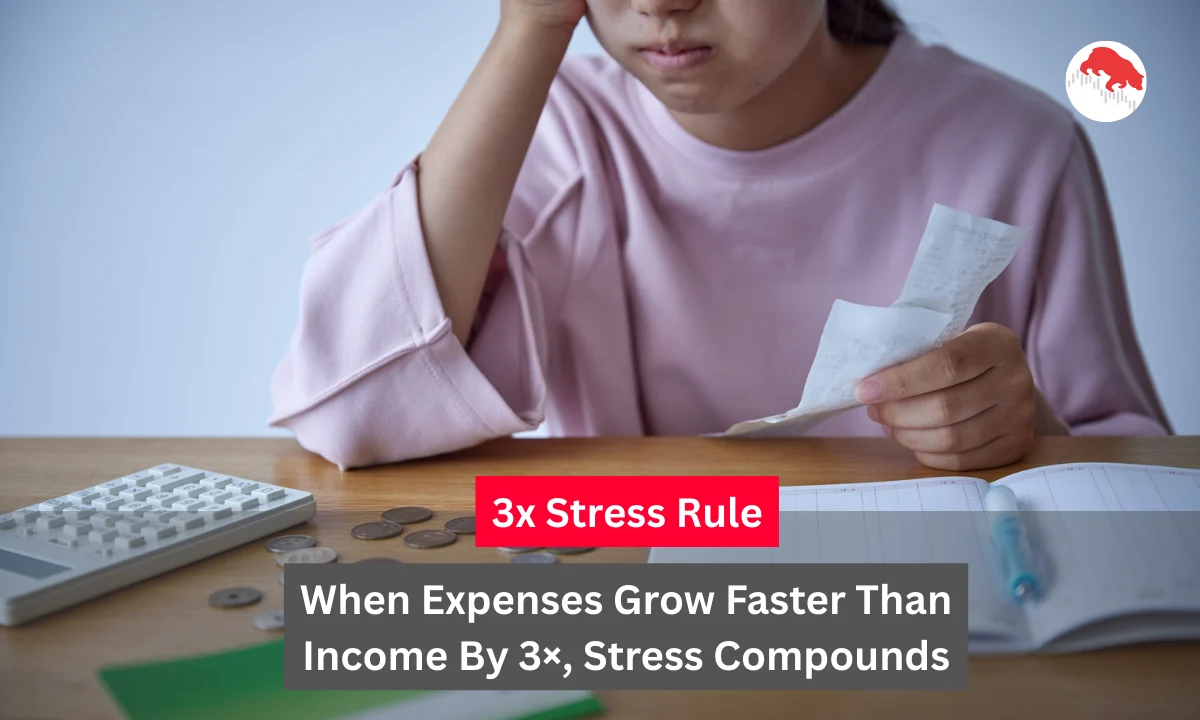
When expenses grow faster than income by 3×, stress compounds
The 50 30 20 rule is one of the most popular ways to manage personal money. The idea is very simple. You divide your after tax income into three clear parts. Half of your income goes toward needs. A smaller part goes toward wants. The final part goes toward savings and future goals. This rule became well known through financial educator Elizabeth Warren. Even in 2025 and 2026, it remains one of the most used budgeting methods across the world.
The reason many people like this rule is its balance. It does not force extreme cutting. You meet your essential expenses. You still enjoy some lifestyle choices. You also build a habit of saving. For beginners, the clarity feels helpful because it is easy to understand and apply in daily life.
Key Takeaways On 50 30 20 Rule
- 50 percent needs, 30 percent wants, 20 percent savings
- Uses net income, not gross salary
- Helps build financial discipline
- Very popular in 2025 and 2026
- Many people adjust the numbers due to inflation
Also Read: Spend Less Than You Earn: Why This Simple Rule Still Decides Your Financial Future
What The 50 30 20 Rule Means
Under this budgeting method, 50 percent of after tax income goes toward needs. These are expenses that you cannot remove from your life. Examples include rent or housing costs, groceries, insurance payments, basic travel, utility bills, and minimum loan dues. These costs support daily living. If you stop paying them, your living conditions suffer. That is why they sit inside the needs category.
The next 30 percent goes toward wants. These are lifestyle choices. You like them, but you do not need them to survive. This may include restaurant meals, entertainment, travel, online subscriptions, hobbies, gadgets, shopping, or upgrades. This part of the rule exists so that budgeting still feels human. You work hard for your income. So the system allows space for enjoyment without guilt.
The final 20 percent focuses on savings and future plans. This may include investment funds, retirement planning, emergency savings, or extra payments on loans above the minimum. The aim is to reduce financial stress over time. When an unexpected expense arrives, savings act as protection. This rule always calculates using net income after tax. It does not work on gross salary numbers.
Why The Rule Is Still Popular In 2025 And 2026
The rule continues to gain attention online. Many financial educators and content creators share it because it feels simple and structured. Around the beginning of 2026, interest increased again. Many people want more control over expenses as living costs rise.
However, discussion is changing. Some users say the classic 50 percent needs category is no longer realistic. In large cities such as Mumbai, Lagos, New York, or London, rent and food costs can cross 60 or even 70 percent of income for normal households. This makes the traditional split difficult to maintain.
Because of this, new variations are appearing. Some people use 60 20 20. Others prefer 50 20 30 or 40 30 30. In developing regions, people sometimes add education and skill building inside the structure. The main message is clear. The 50 30 20 rule is now a starting point. People adjust it to match real conditions.
Public Opinion And Online Response
Recent conversations show mixed reactions. Many users still praise the rule because it helps them begin saving. They say the habit of setting aside 20 percent brings long term security. Some also share real stories about building emergency funds and starting investments through this method.
At the same time, criticism exists. Some people believe the rule no longer fits modern inflation. They point out that incomes have not grown at the same speed as living costs. In such cases, the wants category often becomes very small. Some users recommend first increasing income or lowering fixed costs before trying to apply the formula.
Even with these concerns, most people agree that the structure is mentally useful. It gives a clear picture of where money flows each month.
Advantages Of The 50 30 20 Rule
Here is one simplified list of the main benefits:
- Simple to follow. No complex tools needed.
- Balanced structure. Needs, wants, and savings all get space.
- Flexible system. You can modify the plan when life changes.
- Improves awareness. You become more mindful of spending.
This kind of framework helps many first time budget users stay on track for longer periods.
Limitations And Practical Challenges
The biggest limitation is affordability. In many global cities, needs alone can cross 50 percent of income. Housing and food are the main drivers. This means the system sometimes feels unrealistic for lower or middle income households.
The rule also works best with steady income. Freelancers, self employed workers, and gig earners may find it harder to use fixed percentages. Their income can change month to month.
Another point often raised by experts is that 20 percent saving may not always be enough. People with high interest debt or early retirement plans may need higher saving levels. There is also confusion about what counts as a need or want. Internet costs, transport upgrades, or school fees sometimes sit between both. Because of this, the rule should be seen as guidance and not a strict law.
Why Saving 20 Percent Still Matters
Savings play a key role in financial stability. Job loss, medical costs, or economic slowdown can happen at any time. When savings are low, people often depend on loans or credit cards. Over time, this increases financial pressure.
Savings also support long term goals. These include retirement, investing, and property planning. As life expectancy increases, future planning becomes even more important. The key lesson is consistency. Even small amounts saved every month can create strong protection.
Should Everyone Follow This Rule
The rule is not a perfect match for every person or every country. The most useful way to apply it is to first understand your income and true expenses. Then adjust the percentages to fit your life. The goal is stability and discipline, not forced restriction.
- Track your income
- Review your real spending
- Adjust categories as needed
- Follow the plan with discipline
When used like this, the 50 30 20 rule becomes a template instead of a fixed command.
Final Word On 50 30 20 Rule
The 50 30 20 rule remains one of the simplest methods to manage personal finance. It provides a clear structure that divides spending into needs, lifestyle, and savings. In the current economic climate, many people now modify the percentages to match higher costs of living.
Yet the core idea still holds value. Build awareness. Maintain balance. Protect your future. Use the rule as a base system. Shape it to your location, your income, and your long term financial goals so that it supports real life instead of restricting it.
Related Posts :





Share This Post