Best Apps That Track Stocks, Mutual Funds & Crypto Together: Net Worth Tracking Apps Explained

Wealth Tracking & Net Worth Tools
Managing wealth across different platforms is exhausting. I remember when I had to open five different apps just to check my stock portfolio, mutual funds, crypto holdings, and bank balance. That is why Net Worth Tracking Apps have become essential for modern investors who want a complete financial picture in one place.
Net Worth Tracking Apps are digital tools that calculate your total financial health by adding up all your assets like stocks, mutual funds, cryptocurrency, real estate, and bank deposits, then subtracting your liabilities such as loans and credit card debt.
These apps automatically sync with your accounts and give you a real time view of where you stand financially. I started using these apps two years ago and the clarity they provide has completely changed how I approach my investments and spending decisions.
Also Read: Best Finance And Accounting Apps Every Solopreneur Must Know in 2026
Key Takeaways
- Net worth tracking apps combine all your financial accounts into one dashboard for complete visibility
- Regular tracking helps shift your mindset from short term spending to long term wealth building
- Monthly reviews are ideal for most investors to track progress without causing stress
- Modern apps now support Indian assets including stocks, mutual funds, crypto, and real estate
- Privacy focused options are available that do not require sharing sensitive banking credentials
- Some apps offer AI powered insights to discover forgotten assets and optimize portfolio allocation
What Are Net Worth Tracking Apps Explained
Net worth tracking apps work like a financial command center. They connect to your bank accounts, investment platforms, crypto wallets, and loan accounts to automatically calculate your net worth.
The formula is simple. Assets minus liabilities equals net worth. What makes these apps powerful is automation. Instead of manually updating spreadsheets every month, the app does it for you in real time.
I have found that these apps do much more than basic math. They categorize your spending, show investment performance, track debt repayment progress, and even forecast your financial future based on current patterns. The best part is seeing everything in one place.
No more jumping between bank apps, demat accounts, and crypto exchanges to understand your financial position.
For Indian investors, finding apps that support our unique financial ecosystem is important. We need tools that track mutual funds through SEBI platforms, understand Indian tax implications, and support both traditional investments and modern crypto assets. The apps I am sharing below do exactly that.
Why Tracking Assets Changes Long Term Thinking
When I started tracking my net worth monthly, something unexpected happened. My entire relationship with money changed. Earlier, I would spend on impulse without thinking about long term impact. But seeing that small expenditure reflected in my net worth graph made me pause.
That unnecessary gadget purchase or expensive dinner suddenly felt different when I saw it as money that could have grown into something bigger.
Tracking creates emotional awareness. Every rupee you spend today is not just rupees lost, it is future wealth sacrificed. If you waste one thousand rupees today on something unnecessary, you are actually giving up the twenty five thousand rupees it could become in fifteen years through compounding. This realization hit me hard when I analyzed my coffee shop spending last year. Those daily lattes added up to money that could have been a decent investment corpus.
The shift from ego driven wealth checks to disciplined financial control is powerful. Earlier, I would check my portfolio only when markets were up because it felt good. Now I track consistently regardless of market conditions.
This discipline has helped me save lakhs over time and make smarter allocation decisions. Tracking also builds patience. When you see your wealth growing steadily over months and years, you develop faith in the process even during market downturns.
How Often Should You Check Your Net Worth
Finding the right frequency for checking your net worth is crucial. Check too often and you will stress over daily fluctuations. Check too rarely and you might miss important trends or problems. I have experimented with different frequencies and monthly reviews work best for me and most investors I know.
Monthly checks give you enough time to see meaningful changes without getting overwhelmed by short term volatility. Markets go up and down daily, but monthly patterns tell a clearer story. I set a reminder for the last Sunday of every month to review my net worth, analyze spending patterns, and adjust my budget if needed. This rhythm keeps me informed without becoming obsessive.
Quarterly reviews are excellent for deeper analysis. Every three months, I do a comprehensive audit covering income growth, expense control, skill development investments, and even health metrics. This broader view helps me stay on track with long term goals.
Some investors prefer checking only when they take specific actions. Daily for spending decisions, monthly for savings progress, yearly for portfolio rebalancing, and every decade for retirement planning adjustments.
The key is avoiding daily checks. Watching your net worth fluctuate with market movements is like checking your house value every day. It creates unnecessary anxiety without adding value. Start simple. Calculate your net worth once now to establish a baseline, then check monthly to build the habit. Over time you will find your ideal rhythm.
Best Apps That Track Stocks Mutual Funds & Crypto Together
Finding one app that handles all your investments is challenging in India. Most platforms specialize in one asset class. But a few apps now offer comprehensive tracking that covers everything from traditional investments to modern crypto holdings. Here are the best options I have tested and recommend.
INDmoney
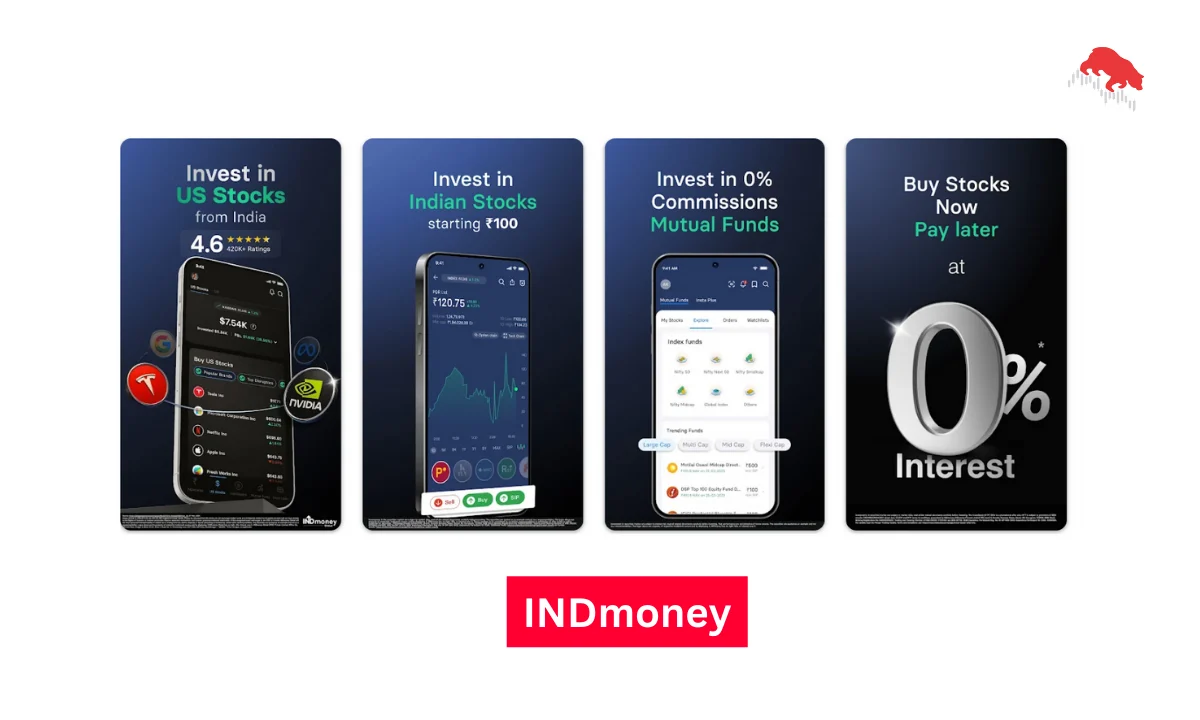
INDmoney is my top recommendation for Indian investors because it is built specifically for our needs. The app connects to your bank accounts, demat accounts, mutual fund platforms, and international investment accounts. I particularly appreciate how it tracks US stocks alongside Indian equities, which is perfect if you invest globally.
The net worth tracker updates automatically and shows your complete financial picture including loans and credit cards. INDmoney also offers features like expense tracking, goal planning, and tax optimization suggestions. One standout feature is the ability to track employee stock options and RSUs, which many Indian tech professionals need. The interface is clean and easy to navigate even for beginners.
Bunq
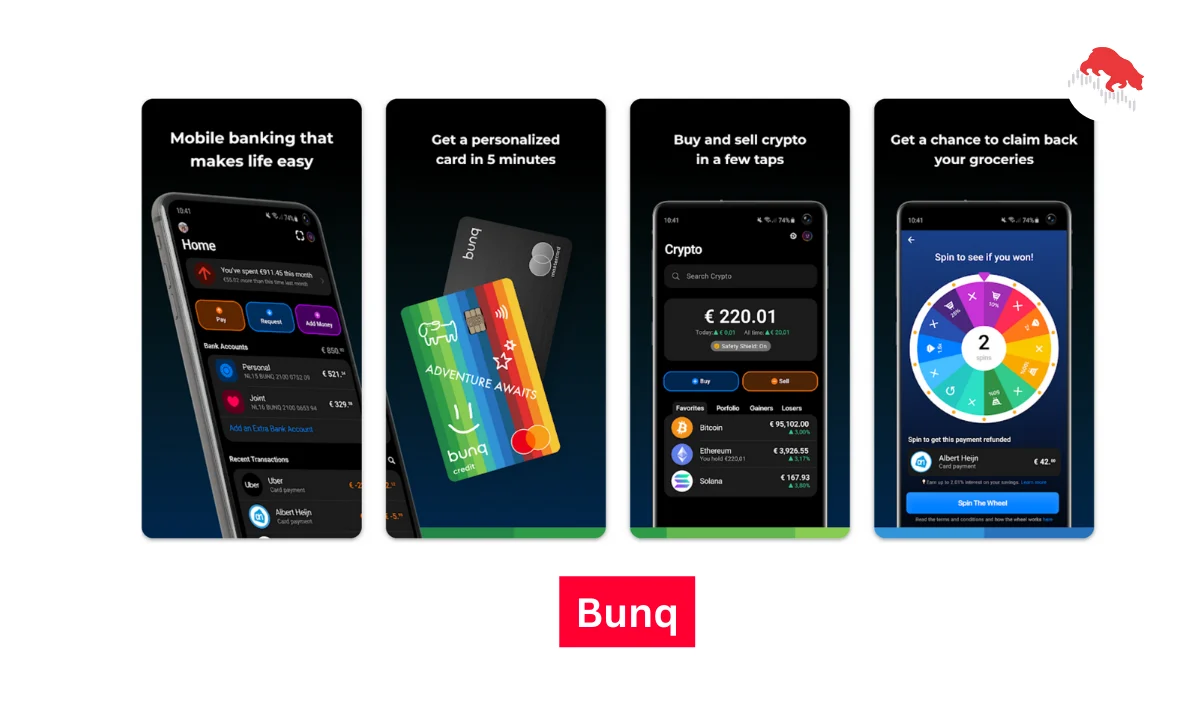
Bunq stands out for its Net Wealth feature that provides daily insights on how market changes affect your portfolio. The app combines traditional banking with investment tracking, showing your complete financial picture. I find the alerts feature particularly useful. Bunq notifies you when your net worth crosses certain milestones or when market movements significantly impact your holdings.
The app supports stocks, mutual funds, cryptocurrency, and bank accounts in one dashboard. Bunq is especially good for younger investors who want to understand how daily decisions impact long term wealth. The visual graphs make it easy to spot trends and patterns in your financial behavior.
Kubera
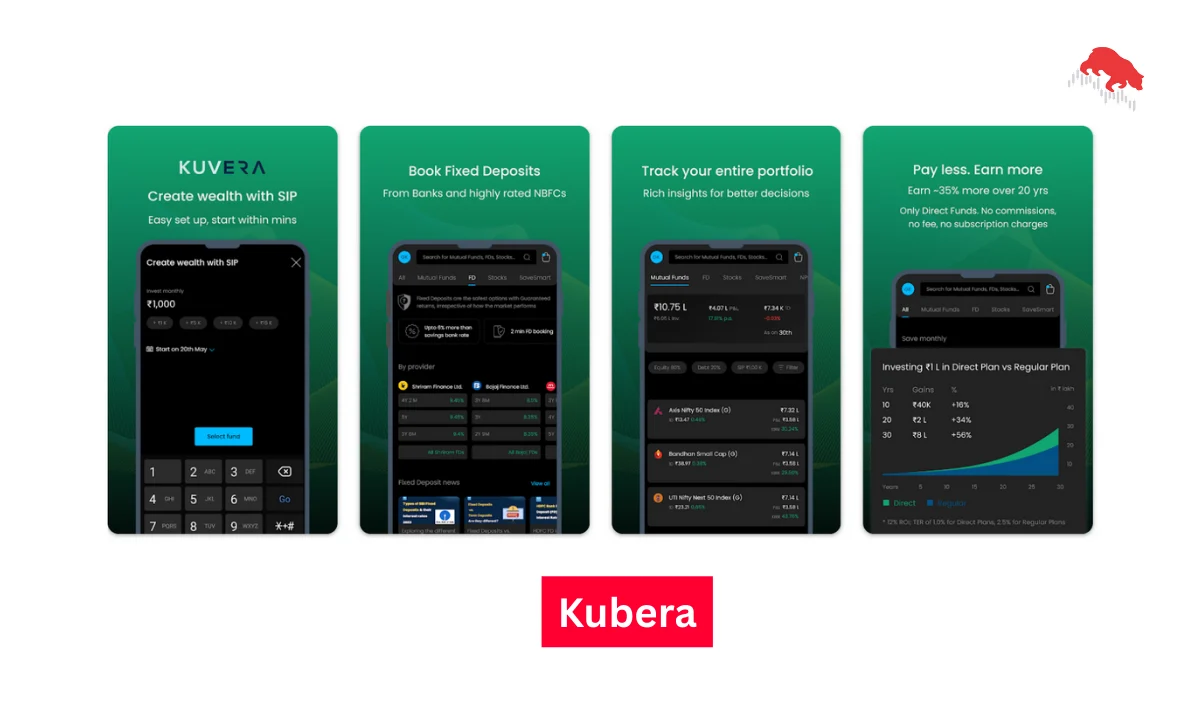
For investors with diverse portfolios including international assets, Kubera is worth considering. The app tracks assets across multiple countries and currencies, which is valuable if you invest globally. Kubera goes beyond traditional investments to track alternative assets like art, private equity, and collectibles.
I appreciate how Kubera shows not just current value but also estimated resale value for different assets. This feature helps in realistic portfolio planning. The app offers detailed analytics and supports unlimited account connections. However, Kubera is a paid service at one hundred fifty dollars annually after a one dollar trial, so it is best suited for serious investors with substantial portfolios.
Jupiter Portfolio Tracker
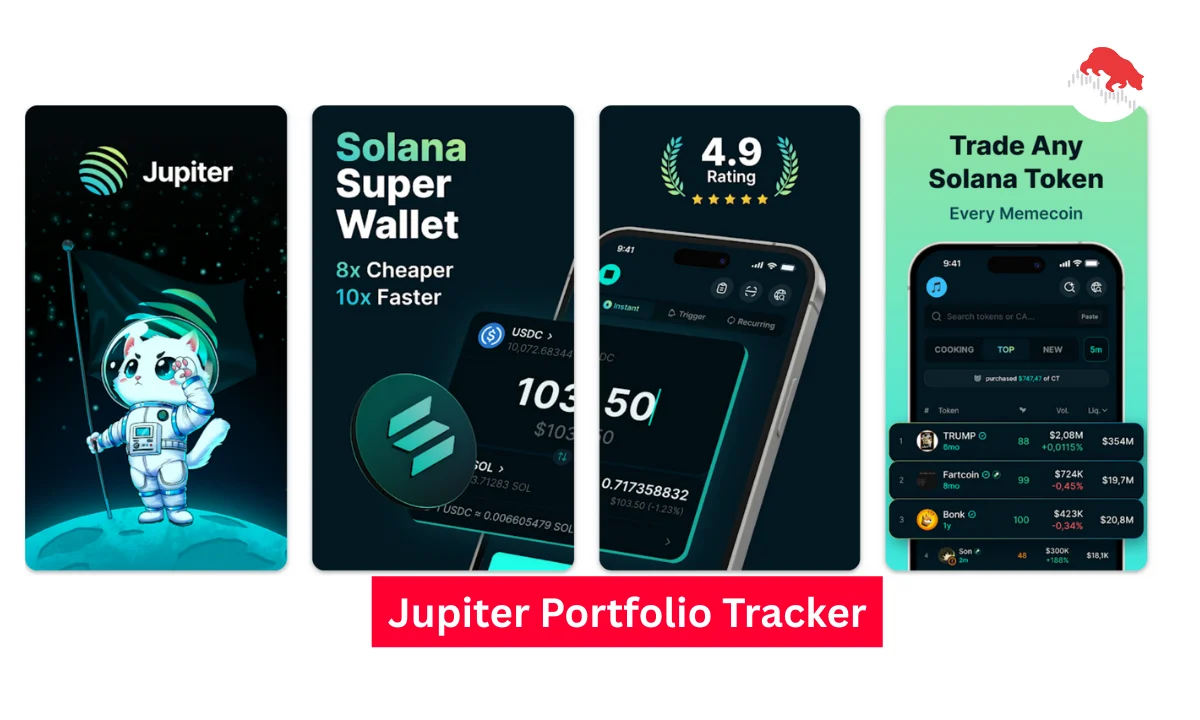
Jupiter is gaining popularity among crypto investors for its comprehensive onchain tracking. The app groups multiple wallets together and tracks holdings across different blockchain protocols. I use Jupiter to monitor my DeFi positions because it shows not just token balances but also staking rewards and liquidity pool positions.
The app ensures you do not miss opportunities in volatile crypto markets by providing real time updates and alerts. Jupiter is particularly good at tracking complex crypto investments that traditional apps miss. If cryptocurrency forms a significant part of your portfolio, this specialized tracker is essential.
Web3 Mirror and Blossom

For investors who prefer manual control over automation, Web3 Mirror and Blossom offer excellent solutions. These apps let you manually input your holdings across different asset classes. I find manual entry therapeutic and it forces me to review each investment regularly.
Web3 Mirror excels at tracking multi chain crypto assets with precision. Blossom is great for combining traditional and crypto investments in one view. Both apps support detailed notes and categorization, which helps in maintaining organized records for tax purposes. Manual tracking takes more time but gives you deeper connection with your portfolio.
SEBI MyEasi and SPEED-e
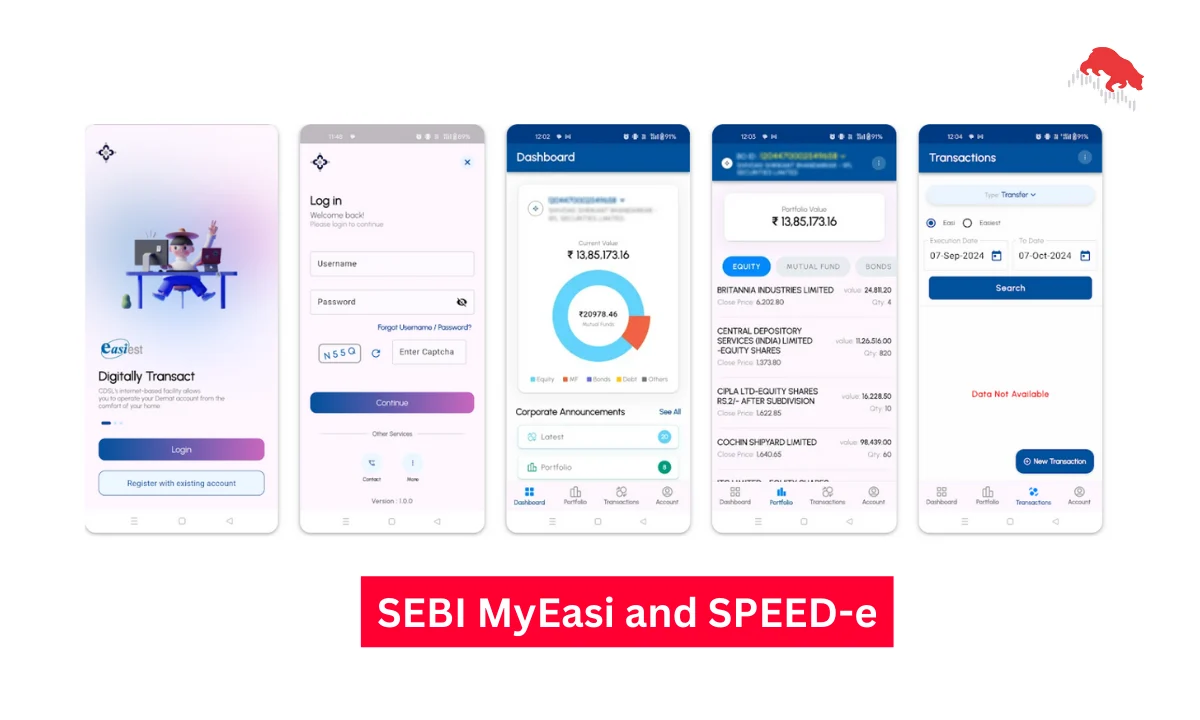
For Indian investors who primarily hold stocks and mutual funds, SEBI’s official platforms MyEasi and SPEED-e are reliable free options. These government platforms provide accurate data directly from depositories. I use MyEasi to verify my mutual fund holdings because the data comes straight from the source.
The limitation is these platforms only show securities held through Indian depositories. They do not track crypto, international investments, or real estate. But for basic stock and mutual fund tracking, they are trustworthy and free. I recommend using them alongside other apps for complete coverage.
Making Net Worth Tracking Work For You
Starting with net worth tracking is simple. Pick one app from the list above based on your primary investments. If you mainly hold Indian stocks and mutual funds, start with INDmoney. If crypto is your focus, try Jupiter or MyStack. Connect your accounts or input your holdings manually, then set a monthly reminder to review.
The real power comes from consistency. Track for at least six months before judging results. In the beginning, you might feel discouraged if your net worth is low or negative. That is normal. What matters is the direction, not the starting point. Every month of tracking builds awareness and improves your financial decisions.
I also recommend setting specific milestones. When I started, my first goal was reaching positive net worth after paying off credit card debt.
Then it was saving my first lakh, then ten lakhs, and so on. These milestones kept me motivated during difficult months. Net worth tracking transforms your relationship with money from reactive to strategic. You stop asking where did my money go and start planning where it should grow.
Related Posts :






Share This Post